
Waheguru Ji Ka Khalsa · Waheguru Ji Ki Fateh
A place of worship, seva and community in East London. Everyone is welcome, regardless of faith or background — please come and join us.
Welcome
Leyton Gurdwara was officially opened on 18th November 1979. Since then, we have welcomed over 15,000 Sikhs and members of the public through our doors.
Our Gurdwara is open to all. Whether you have come to pay your respects before Sri Guru Granth Sahib Ji, to share in Langar, or simply to learn, you will find a warm welcome here.
People of all faiths and backgrounds are welcome to visit, worship and share in our community.
A community kitchen serving free meals to all, every day, prepared by volunteer sevadaars.
Selfless service at the heart of Sikhi, with Gatka, Santhiya, Punjabi and Kirtan classes.
Diwan & Classes
Join us for daily prayers and weekly classes. All are welcome to attend.
Timings may change on Gurpurabs and special occasions. Please contact us to confirm.
The Heart of the Gurdwara
Equality, selfless service and feeding all who come — the living principles of our community.
Langar is the community kitchen of the Gurdwara, serving meals to all free of charge — regardless of religion, caste, gender, economic status or ethnicity. People sit together on the floor as equals and eat as one. The kitchen is maintained and run by Sikh community volunteers, our sevadaars. We provide Langar on a daily basis to feed everyone.
Seva means selfless service, given freely for the benefit of others and without expectation of reward. At Leyton Gurdwara, seva is at the heart of everything we do — from preparing and serving Langar to caring for the Gurdwara and supporting our wider community.
During the peak of the pandemic, our sevadaars prepared over 500 meals a week to support furloughed workers and those in need — continuing our tradition of serving the whole community in its hour of need.
Our Faith
Sikhi was established by ten Gurus — divine spiritual masters — over 239 years, from 1469 to 1708. These enlightened souls devoted their lives to the spiritual and moral wellbeing of all people.
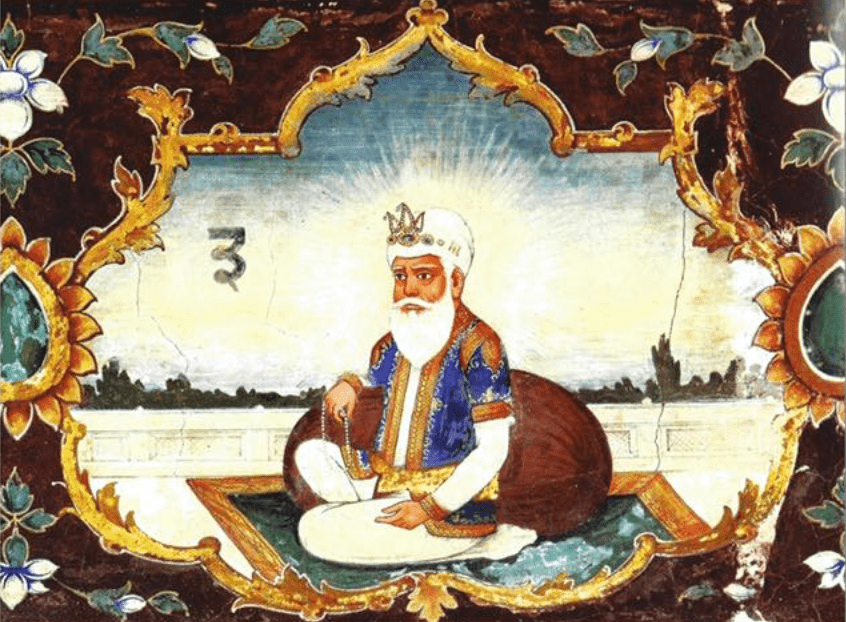
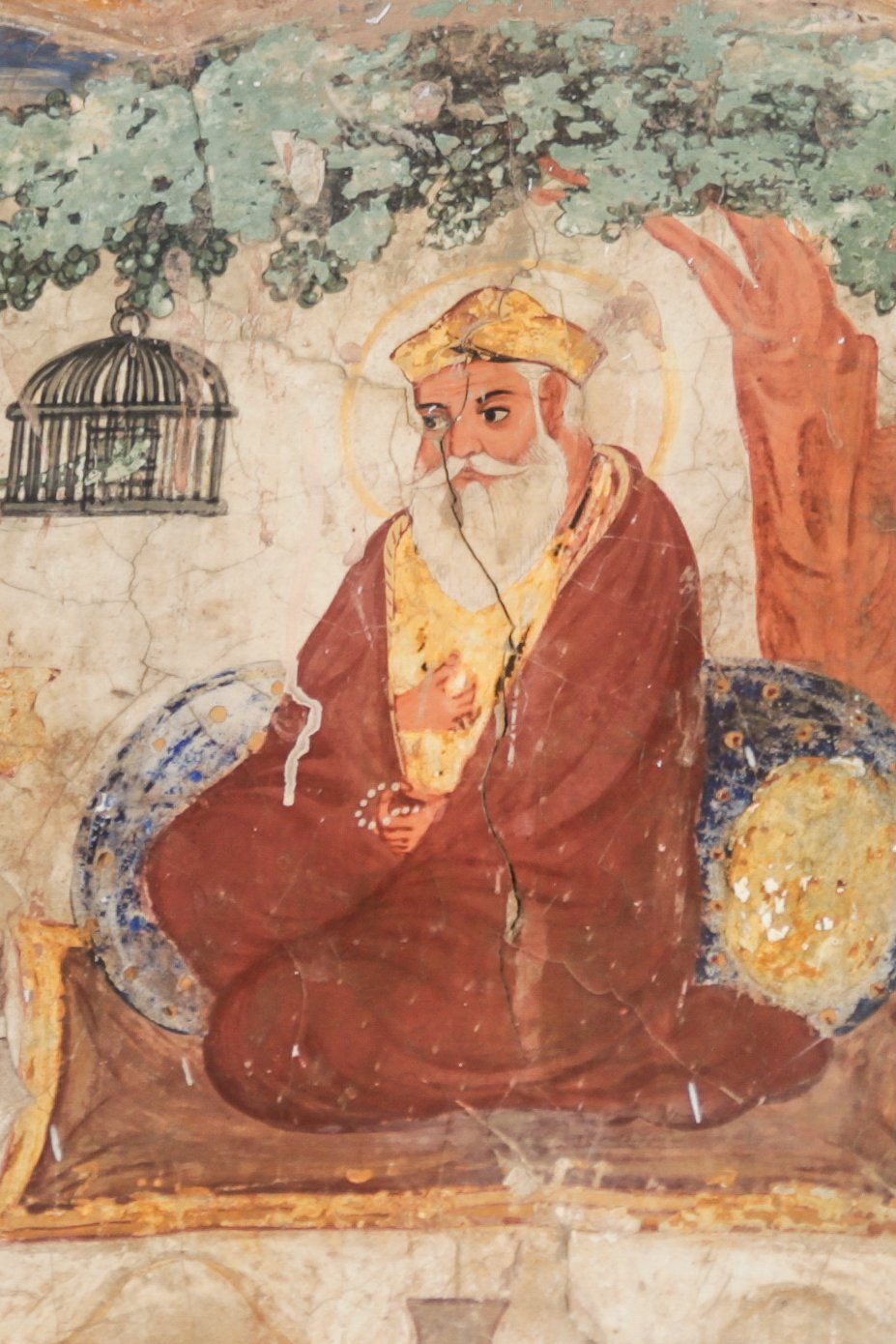
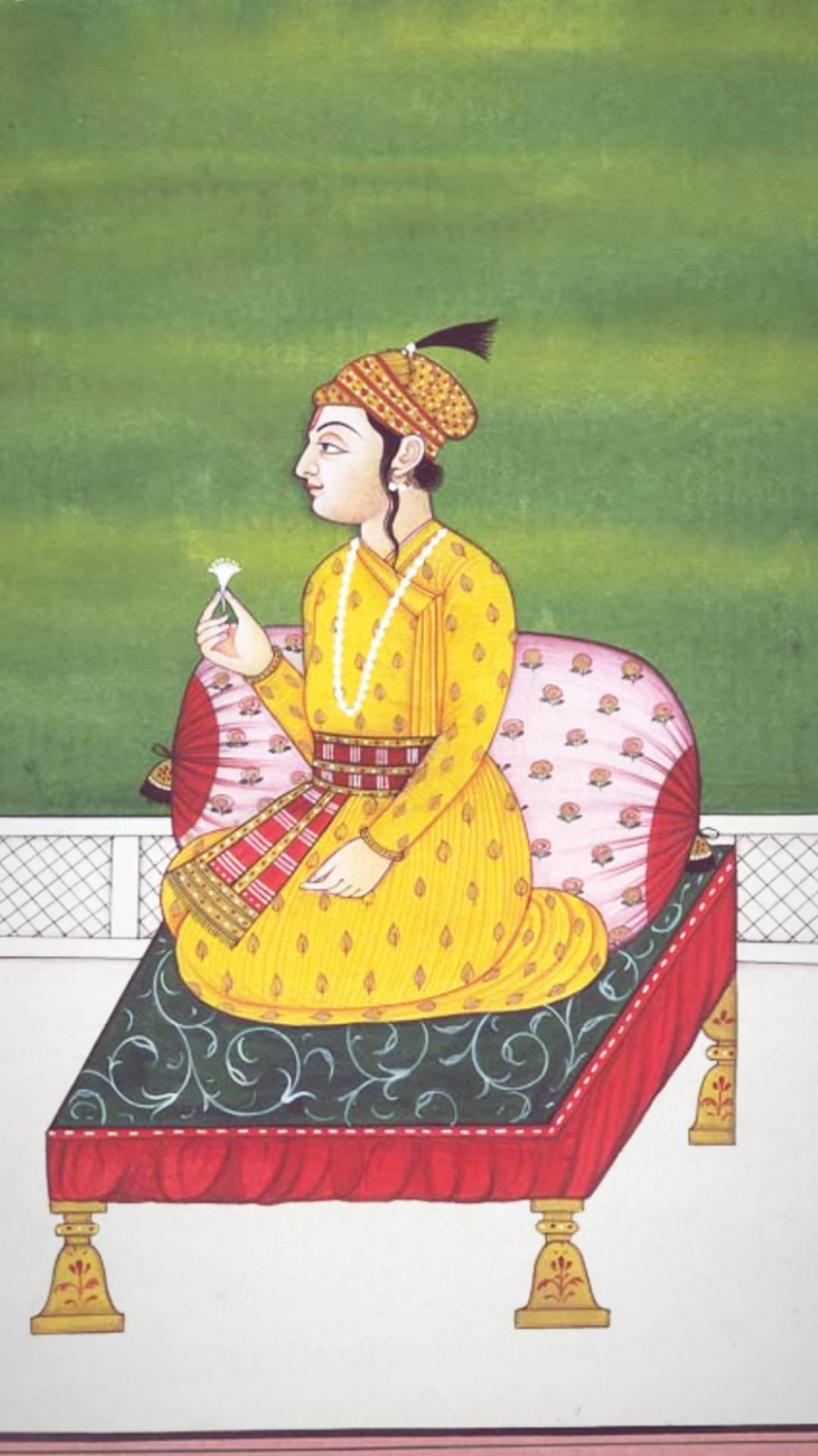
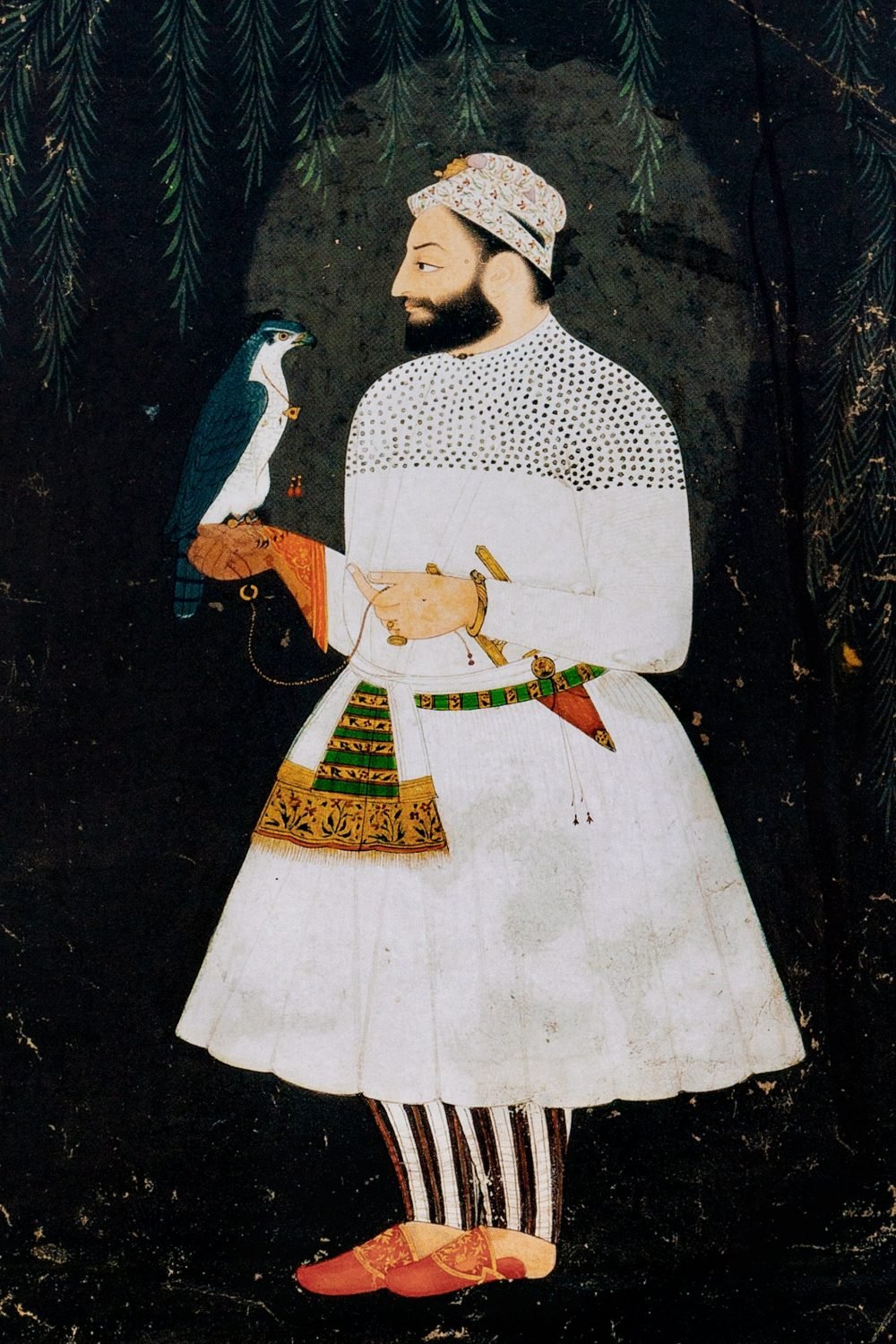
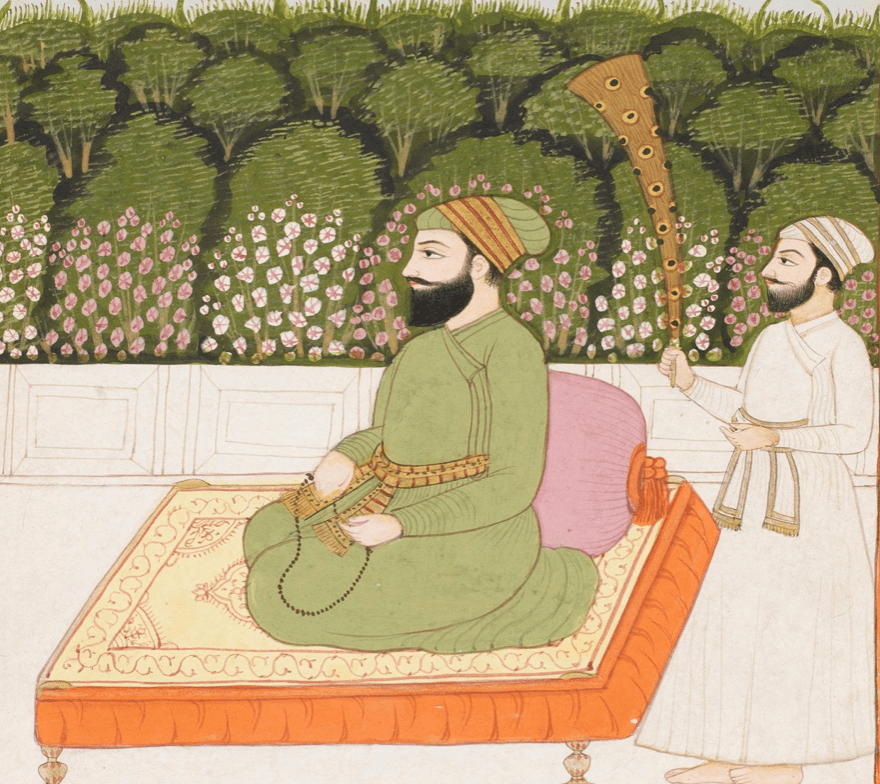
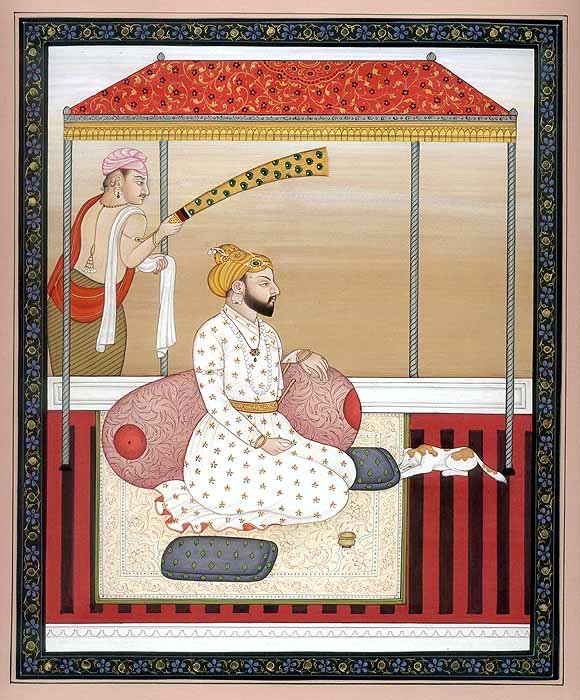
Founder of the Sikh faith, born in 1469 at Talwandi (now Nankana Sahib). He rejected ritualism, caste and hypocrisy, regarding all people as equals, and travelled as far as Mecca and Baghdad to spread his message of one God and truth.
Upheld the traditions of Guru Nanak and created the Gurmukhi script, making the teachings of the Gurus accessible to all and establishing Sikhi as a distinct, revealed religion.
Established twenty-two centres of religious learning and strengthened the institution of Langar — requiring all, even Emperor Akbar, to eat in the common kitchen as a sign of equality. He spoke out strongly against the practice of sati.
Founder of the city of Amritsar, the site of the Golden Temple, giving the Sikhs a distinct religious and cultural centre of their own.
Began the construction of the Golden Temple, with four entrances open to all communities, and compiled the Adi Granth — the Sikh scripture — including the writings of Muslim and Hindu saints whose ideas reflected Sikh belief.
Born in 1595, known as the "soldier saint." He established the principle of Miri-Piri and took up the sword to protect the weak and oppressed — the first Guru to take up arms in defence of the faith.
Born in 1630, a man of peace who spent his life in meditation and preaching, while maintaining the Sikh warriors established by his grandfather, ready to defend the community both spiritually and physically.
The youngest of the Gurus, installed at the age of five. A symbol of service, purity and truth, he worked to relieve the suffering of the sick during a smallpox epidemic in Delhi.
Stood firm against the forced conversions of Emperor Aurangzeb, giving his own life in defence of the freedom of others to practise their faith — a supreme act of sacrifice for the rights of all people.
Succeeded his father at the age of nine. In 1699, on Vaisakhi, he transformed the Sikhs into the Khalsa — a family of soldier saints — dedicated to upholding righteousness and standing against oppression.
Guru Gobind Singh Ji declared the Sri Guru Granth Sahib Ji — the sacred scripture — to be the eternal, living Guru of the Sikhs. It remains the centre of worship and guidance in every Gurdwara to this day.
Support Us
Your generous donations keep our daily Langar running, support our classes, and help us serve the whole community. Every contribution, large or small, makes a difference.
Please set up a standing order or one-off bank transfer using the details above. For Gift Aid or any questions, email info@leytongurdwara.org.
Registered Charity No. 278097
Visit Us